Futures Readyby Futures Academy

An explanation in eight steps

What isFuturesReady?

The ability to see change early, to understand what it means and to take the step today that makes the difference tomorrow.

01The context

Not a time of change. A change of time.

Is it not working the way it did last year? That is not your fault. More is changing than ever, at the same time and on every front. What worked yesterday may not work tomorrow. That feels like failure, but it is the logical result of a world that is changing shape.

Four forces, at once

The world is upside down.

  1. 01
    Technologychanges what is possible.
  2. 02
    New generationschange what people expect.
  3. 03
    New business modelschange how value is created.
  4. 04
    Global systemsgeopolitics, climate and demography change the rules of the game.
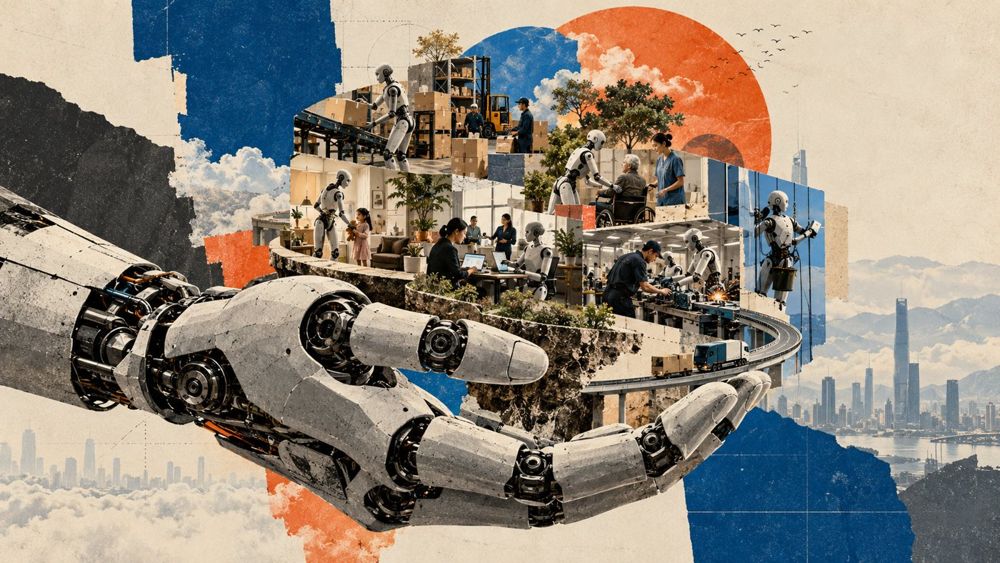
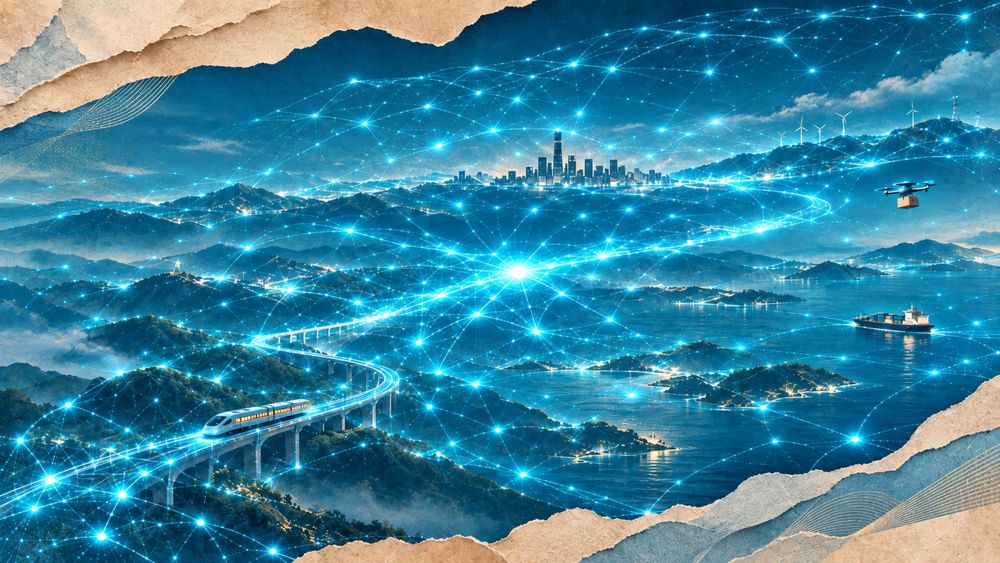
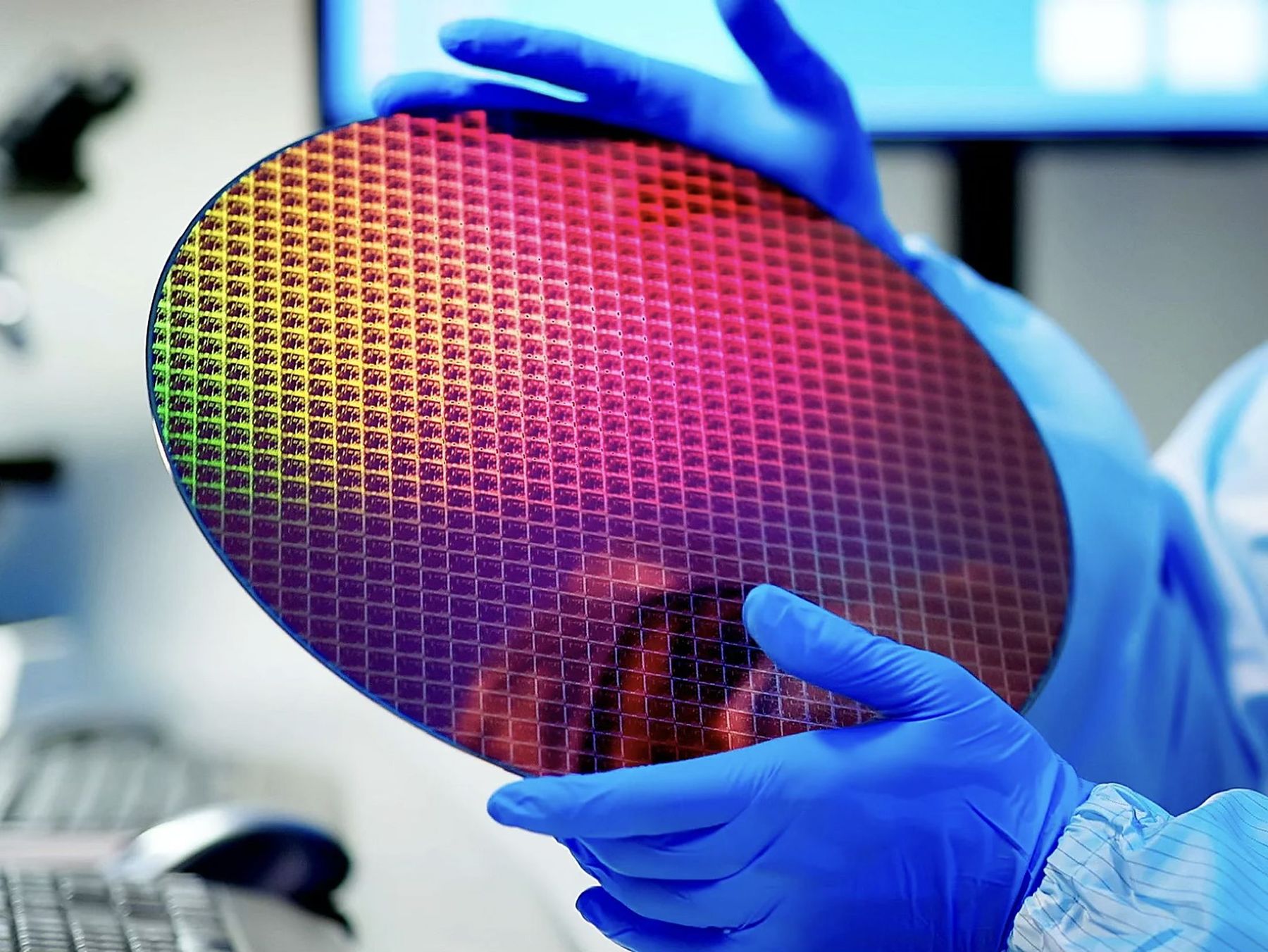
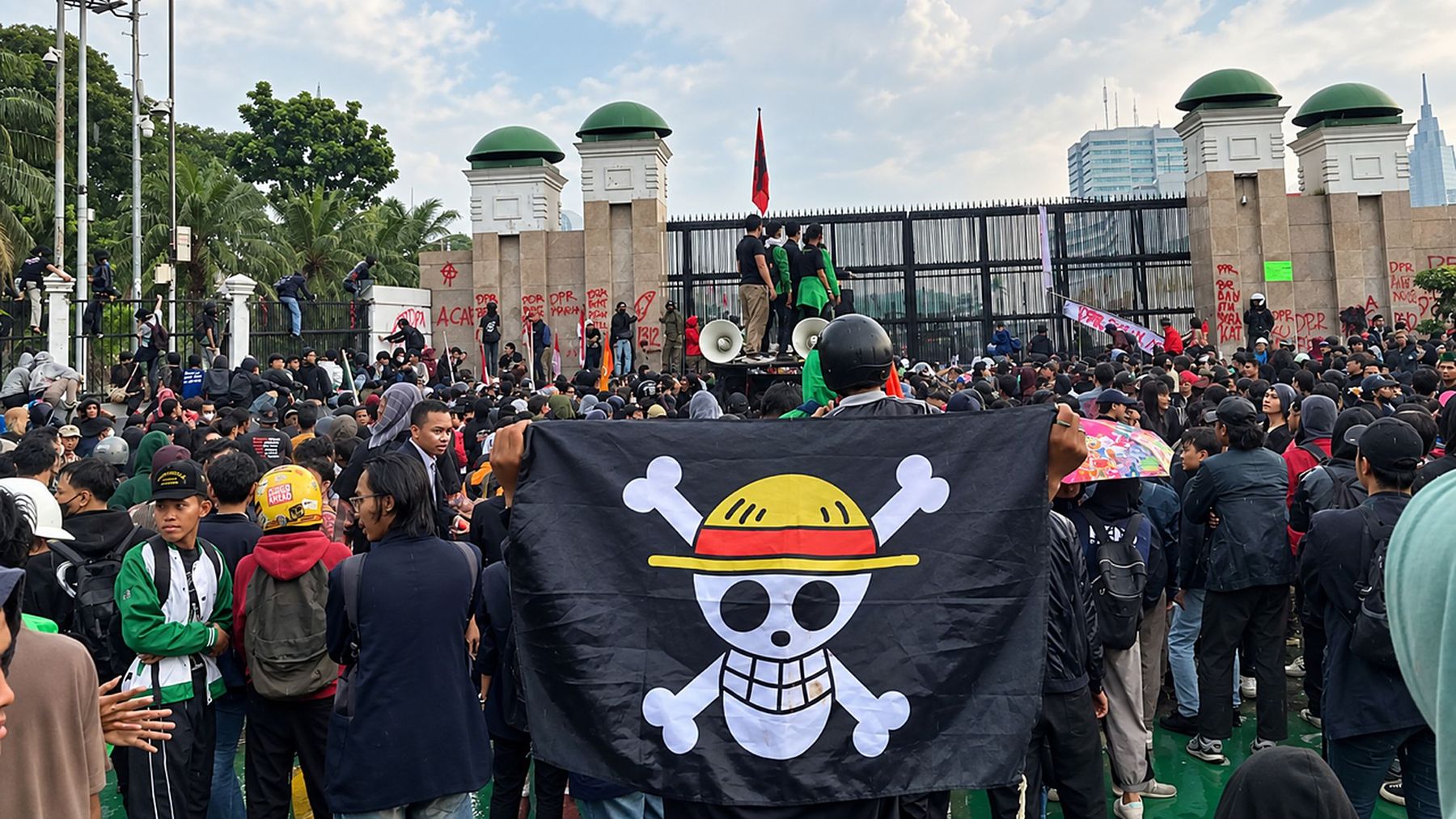
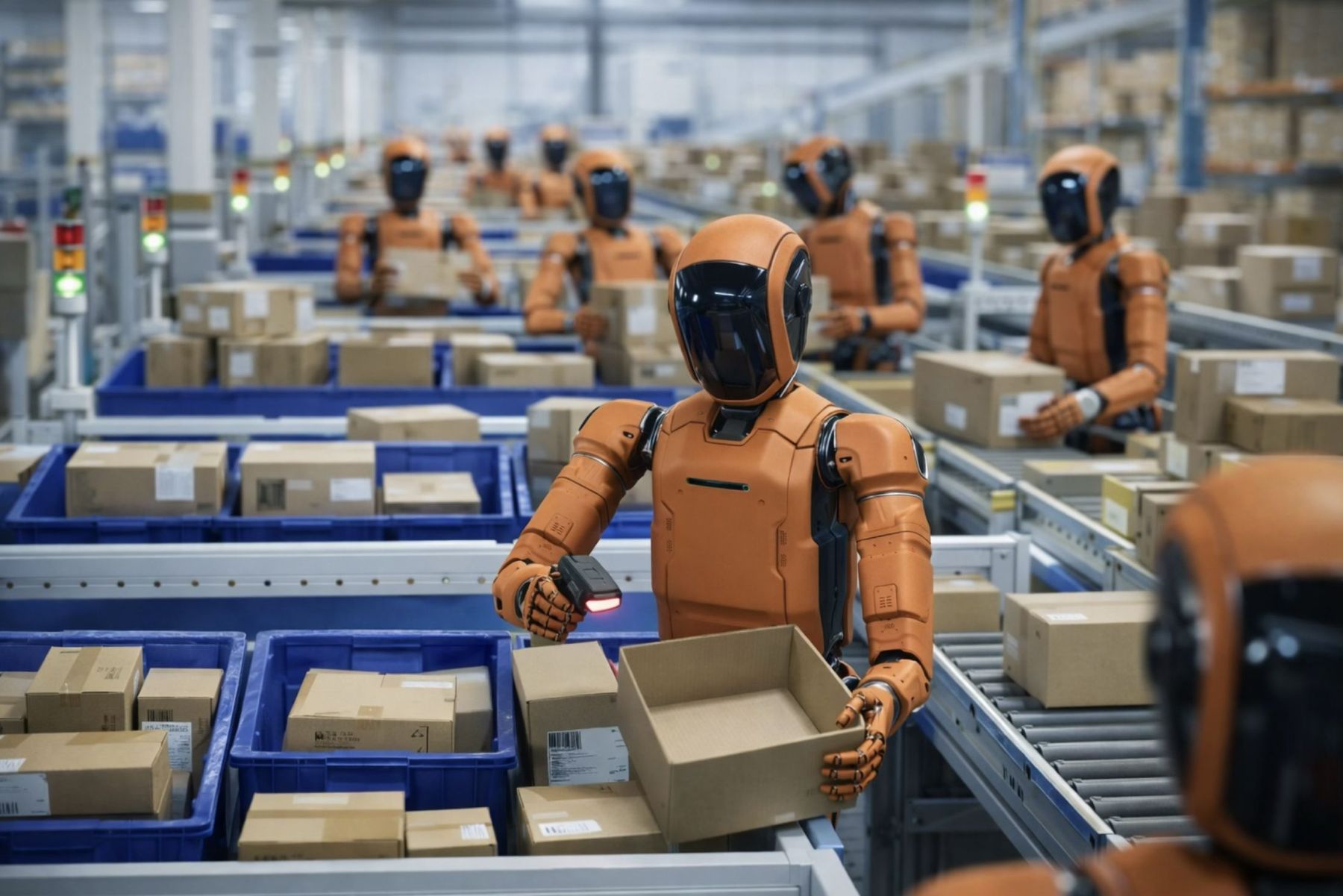
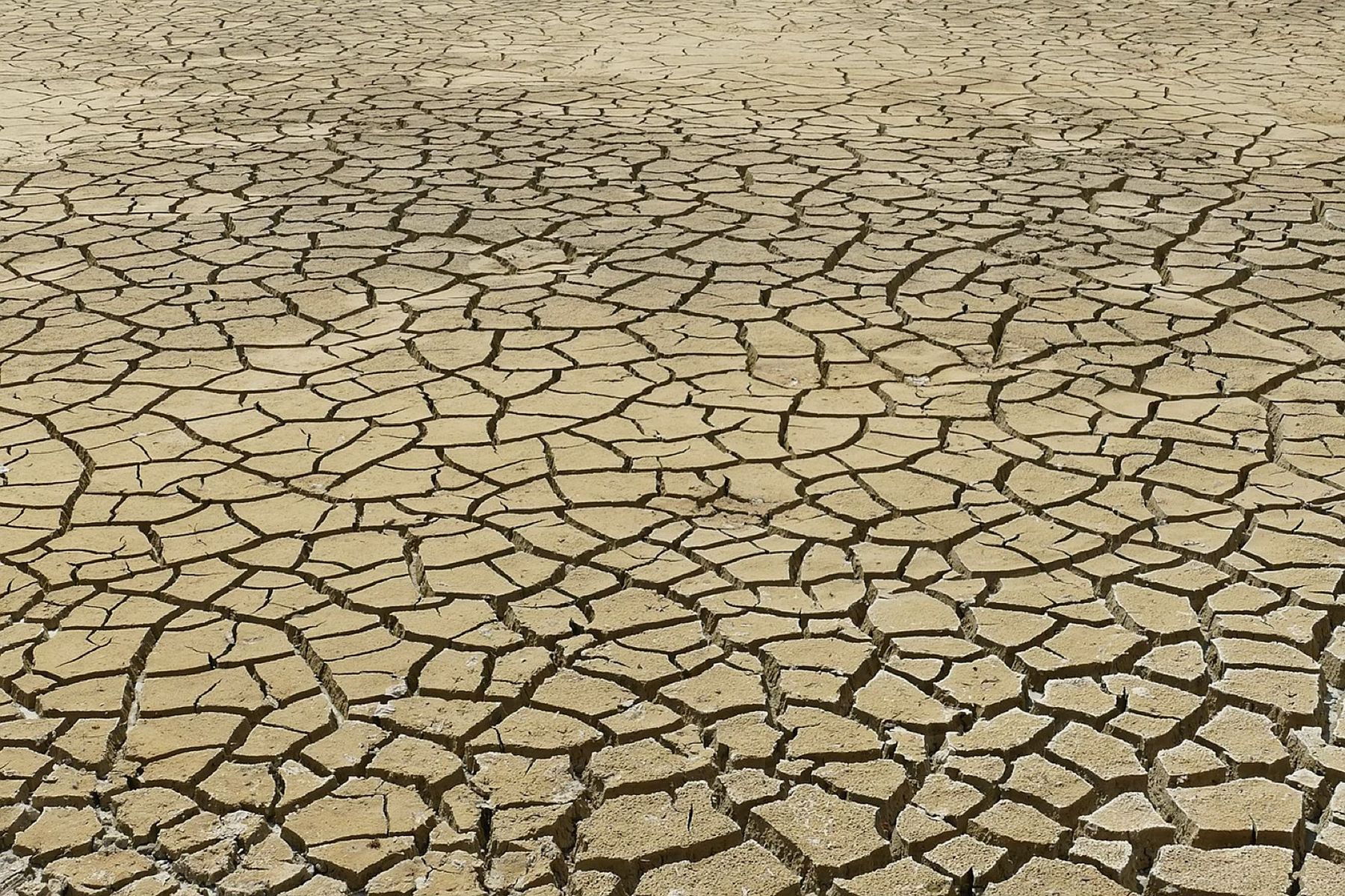
A chip wafer in the hand of a researcher Young people demonstrating with a home made flag Robots working in a distribution centre Dried out, cracked earth Technology

Not one thing changes. Everything changes, at once.And that asks for a different kind of capability.

02The difference

Future proof does not exist. Becoming Futures Ready is possible.

Those who want to be future proof brace themselves or even dig in: protecting what you have against everything that is coming. Futures Ready starts with accepting that we cannot predict it. What you can train is the ability to work with multiple futures and to move in time.

Future proof

  • One expected future
  • Predicting
  • Protecting what you have
  • Benchmarking against yesterday
“Am I better than yesterday?”

Futures Ready

  • Multiple possible futures
  • Anticipating
  • Designing what you need
  • The future as the starting point
“What do I want tomorrow and the day after to look like?”

03Why futures

There is not one future. There are many.

That is why we say futures, plural. It is not about predicting. It is about making your assumptions about tomorrow visible, so you can question them. Only then do you see options that are still out of view.

NOW Probable Plausible Possible Impossible?

Futures Literacy has been named by UNESCO as a skill everyone can learn: using the future to better understand the present. Futures Ready builds on it.

WATERLINE Patterns Structures Mental models Events

04Above water

Events

The problem you see is rarely the problem you need to solve. Most organisations react to what is visible.

One layer deeper

Patterns

What keeps coming back? Loose signals together become a movement. This is where looking ahead begins.

Deeper

Structures

The rules, incentives and relationships that keep the patterns in place. That is where the lever is.

At the bottom

Mental models

The assumptions that are so self evident that nobody sees them anymore. Shift something here and you change everything above it.

The questionHow do we become more innovative?
The patternNew ideas are judged by the logic of the existing business.
The stepChange the space in which ideas are judged.

05Two movements

Improving and exploring.

Being ready for a changing future asks for two things at once. Not only improving what you do today, or only exploring what could come tomorrow. The interplay of the two is the real power of change of an organisation.

ImprovingMaking the existing better, faster, smarter.
ExploringSeeking, testing and getting to know the new.
Improving Exploring

06The capability

You do not survive change. It is a capability you build.

Future oriented organisations keep asking three questions. Each time a little sharper.

Seeing

What changes tomorrow?

  • Which patterns are emerging?
  • Which forces are setting your world in motion?
  • What are we not seeing yet?

Trend radar · Cone of possibilities

Understanding

What does that bring us?

  • What does this mean for us?
  • What becomes vulnerable?
  • What becomes possible?

Wheel of reasoning · Wave

Doing

What is your decisive step?

  • Where do we make the difference?
  • Where is the lever?
  • What can we already do now?

Experiment · Flywheel

Doing, experiencing, learning. And again.

07How it works

You do not predict the future. You map the dynamics.

Six models, from the first signal to the smallest move with the biggest impact. Click through them.

Trend Radar

From loose signals to drivers of change

We scan broadly, also far outside your own sector. Not only for possible events and their consequences, but for the patterns and structures underneath.

That way loose trends together become drivers of change: forces that set your market, your organisation and your customers in motion. Now, next and beyond.

Which forces are setting your world in motion?
Cone of Possibilities

Beyond horizon 1, beyond the probable

We look not only at the probable, but also at the plausible, the possible and even the impossible. That is where the black swans and moonshots come by.

Horizon 1 is today, a bit better. Horizons 2 and 3 ask for a different view. Not to predict, but to anticipate disruptions and new possibilities better.

Move across the Cone.

Wheel of Reasoning

Scenarios that touch people and hold up

We add up the big movements into scenarios. With speculative design we make them tangible: stories touch people.

With structured reasoning we give them rigour. From crisis, problem, threat and cause to change, solution, opportunity and source.

Which story about tomorrow do you dare to take seriously?

Wave

Reasoning back from the future

Start with the future you have added up and walk back to today. Suddenly you look very differently at the events and movements of now, and you see the patterns of change underneath.

That way you place the present in context, instead of benchmarking against yesterday and stumbling backwards into the future.

Not: am I better than yesterday? But: am I ready for tomorrow?

Levy curve

Experimenting, learning what works, then scaling up

The world and our organisations are complex and change moves fast. We cannot oversee everything, and should not want to.

So we learn by experimenting. If this, then that, else: testing quickly and pragmatically what works. Many small steps, the occasional leap, and what works we scale up.

Which experiment can you do this week?

Flywheel

The smallest action with the biggest impact

In the end it is about today. Together we look for the smallest action with the biggest impact: the leverage point. The kink where a small intervention gives the whole movement a different direction.

Not going round in circles, but intervening. What does that mean for your vision, your business model and your organisation design? That is how Futures Ready becomes impact driven.

Which small move sets everything in motion?

08Working with scenarios

Ready for the futures.

Loose trends say little. Added up they become coherent worlds. Not to predict which one will come true, but to test your vision and strategy against multiple futures.

Six worlds. Where does your strategy stand in each of them?

Scenario

Blurring Boundaries

Physical and digital, work and life, sector and sector merge into each other.

Scenario

Agentic World

AI agents make decisions and carry them out themselves.

Scenario

Network Society

Value is created in networks, no longer within the walls of one organisation.

Scenario

Life as a Service

From ownership to access, for almost everything.

Scenario

Quantum Generation

A generation growing up with technology we barely understand.

Scenario

Fragmented Order

Blocs, bubbles and fault lines instead of one world order.

The future is a sum of choices.

Create them before change takes them away. Becoming Futures Ready starts with one question: which future do you take seriously?

VersionAB